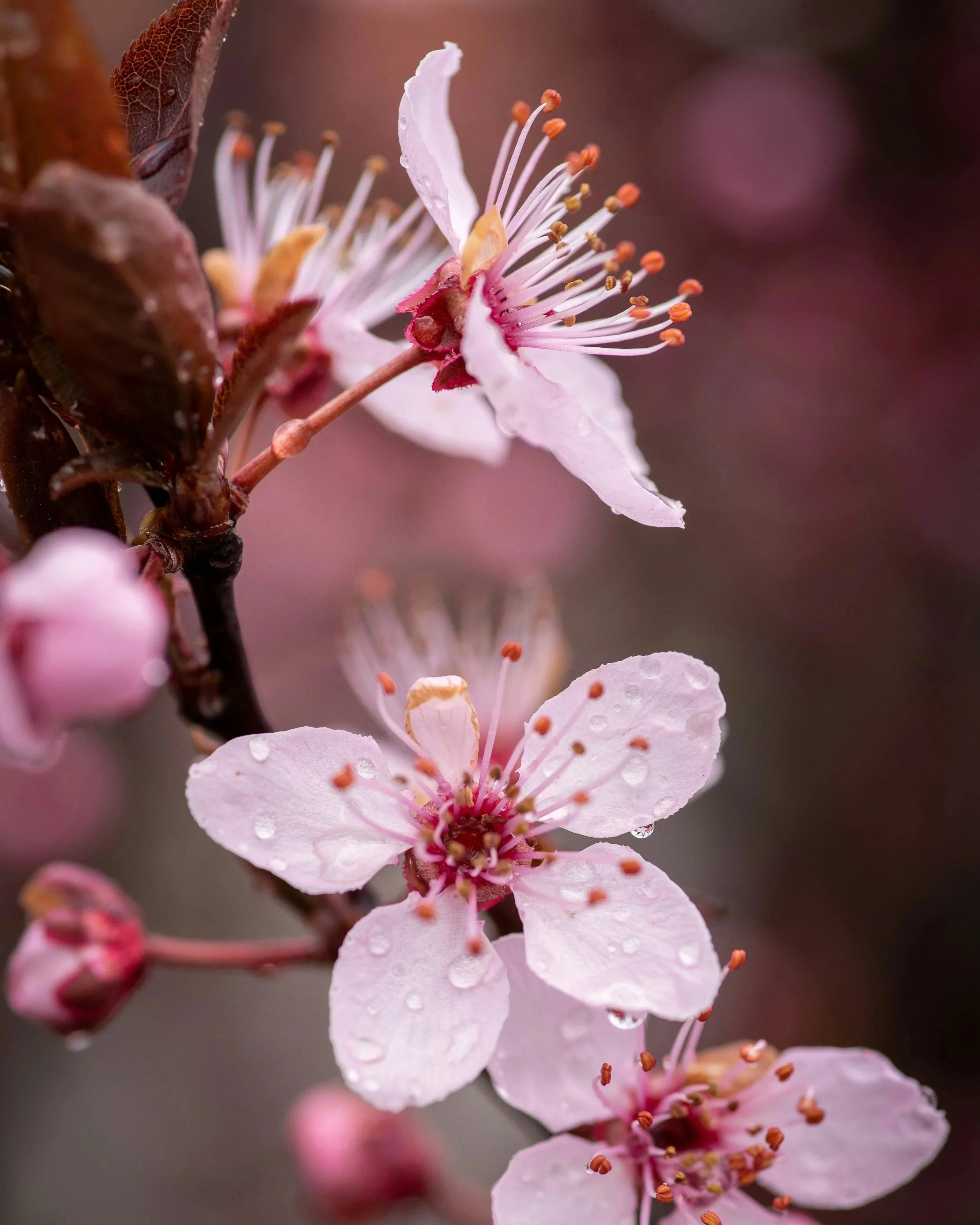
In today's world, it's easy for your nervous system to get tilted toward dread. You might find yourself constantly scanning for what could go wrong, a familiar buzzing in the body, a constricted feeling low in the belly, your mind already ten steps ahead rehearsing threat. But there is a gentle, somatic practice that can help: something called glimmer hunting.
In Episode 9 of my podcast, IFS Enlightenment Snacks, I share this practice as an invitation for those moments when anxiety narrows your world. I'm not sharing it from a serene mountaintop. I'm practicing it right alongside you.
What Is Glimmer Hunting?
Glimmer hunting is a somatic attention practice that invites you to seek out small, present-moment experiences in your environment. It's about gently widening your perception to include moments of neutrality, and sometimes even pleasure, especially when your nervous system is oriented toward fear.
This practice is not about ignoring what's hard. It's not about putting a pretty filter over grief or uncertainty. Instead, it's about acknowledging the full picture: befriending the parts that are carrying dread, and also letting your body register the quiet, supportive moments that survival mode tends to miss.
Why This Practice Matters
When we're in high activation, stressed, afraid, overwhelmed, our nervous system narrows its focus toward threat. This is not a flaw. It's brilliant, protective design. But it means we lose access to the parts of us that support flexible attention, perspective, and choice.
So when someone says "just look for the good" in a moment of real activation, it can land wrong. It can even feel shaming. That's why glimmer hunting isn't an assignment. It's an invitation, one you reach for when there's enough capacity available. If there isn't enough today, nothing has gone wrong. You can simply rest here.
The Nervous System Science (Briefly)
When stress and fear are running high, the parts of the brain that support flexible perception become less accessible. Glimmer hunting works gently with this by inviting you to engage your senses and make somatic contact with what is actually present. Not thinking "oh, that's pretty" while walking past, but actually letting your eyes, your body, your breath receive what's here.
Here in Portland, the cherry blossoms have been teaching me this lately. The pink of the petals. Wet blossoms on the pavement. The smell of rain on earth. When I make somatic contact instead of just a mental note, something shifts. My attention widens. I land in the present moment. And in that exact second, there is no immediate threat. There is rain. There are flowers. There is the earth supporting me.
How to Practice Glimmer Hunting
This practice can be done sitting, lying down, walking, or commuting. Eyes open works beautifully here, because we're orienting outward toward what's actually around us. Go only as far as feels okay, and pause anytime.
Ground Yourself in What's Supporting You
Before looking for anything, simply notice what is already holding you. The earth beneath the building. The floor under your feet. The chair or the bed receiving your weight.
Something is meeting you right now. You don't have to make that feel profound. Just let your body receive it, even 1%. Maybe it does, maybe it doesn't. Either way is okay.
Why this matters: Noticing support helps create a felt sense of safety that the nervous system can actually use, before we ask it to widen its attention any further.
Common mistake to avoid: Many people try to manufacture a perfect state of calm before they start. Instead, just notice what is already here. That noticing is the practice.
Look for Something Neutral
Let your gaze soften and move slowly around your space. You're not searching for something beautiful or inspiring. Just neutral.
A wall. A cup. A patch of floor. A tree trunk. A shadow. Something that is simply here, without threat.
Let your attention rest there for a moment. You might silently say: neutral, here, this is here. Notice what happens in your body. Maybe nothing shifts. Maybe the tightness stays exactly as it is. Maybe there is a tiny bit more air around it. We're not manufacturing a state. We're noticing what's already present.
Why this matters: Neutral moments are not small things to the nervous system. They are openings. And asking for neutral is far more accessible than asking for joy when you're really activated.
Common mistake to avoid: We often overlook neutral things in the search for something beautiful. Neutral is enough. Neutral is welcome here.
Widen to Include Something Pleasant, If It's Available
If pleasant feels reachable, let your eyes or ears or hands find something that carries even a small sense of goodness. A color you like. A bit of light. A plant. The warmth of a mug in your hands. The sound of a bird. The feeling of fabric on your skin.
When you find something, let your body actually make somatic contact with it through your senses. Let your eyes receive the color. Let your ears receive the sound. Let something in you register: this is here, too.
If positive feels like too much right now, come back to neutral. Neutral is always welcome.
Why this matters: Finding something pleasant, even something very small, gives your nervous system a concrete experience of: there is more here than threat.
Common mistake to avoid: If positive sensations feel overwhelming or out of reach, don't push. Return to neutral. It's okay to stay small.
Acknowledge Your Experience

At the end of the practice, take a moment to notice what your system registered. Was there one neutral thing? One supportive thing? One small moment of okay-ness?
If yes, let that count. If no, that is also worth honoring. There's wisdom in knowing when a practice is available and when your system needs something more.
Why this matters: Acknowledging your experience, whatever it was, deepens your relationship with your own inner landscape. It communicates to your system that you are paying attention.
Common mistake to avoid: Many people dismiss these small moments as insignificant. They are not. To a nervous system that has been scanning for threat, registering one neutral moment is genuinely meaningful.
Key Takeaways
Glimmer hunting is a somatic attention practice that gently widens your nervous system's lens without bypassing what's hard. It invites you to notice neutral and pleasant experiences alongside the difficult ones, building your capacity to hold more than one truth at a time. The practice doesn't require a special time or space. It lives in the in-between moments: while washing your hands, before stepping back inside after parking the car, while walking under spring blossoms in the rain.
A Closing Thought
A part of you may say: this doesn't fix anything.
That part is right. Glimmer hunting does not erase fear or grief or uncertainty. And from an IFS perspective, we wouldn't want it to. Those parts, the anxious ones, the dread-carrying ones, may be holding real concerns. They deserve respect, not suppression.
What we can offer them, gently, is a both/and. Not either/or.
The fear is here and the blossoms are here. The uncertainty is here and the chair is holding you. The dread is here and there is one patch of light on the wall.
This spaciousness, the kind that can hold the fear and the cherry blossoms at the same time, is already in you. It's not a special state you have to earn. It's the awareness that's quietly here, underneath all the noise.
Frequently Asked Questions
What is glimmer hunting
Glimmer hunting is a somatic attention practice that invites you to notice small, present-moment experiences, particularly neutral and pleasant ones, as a way of gently widening a nervous system that has narrowed toward threat or dread.
How can glimmer hunting help with anxiety?
By inviting your body to make somatic contact with neutral and supportive moments, glimmer hunting helps counteract the narrowing effect of high activation. It doesn't replace or bypass what's hard. It creates a little more space around it.
Can I practice glimmer hunting anywhere?
Yes. This practice can be done sitting, lying down, walking, or commuting. It takes only a few seconds and requires nothing but your own attention and a willingness to notice what is already here.
Want to go deeper? If this kind of gentle nervous system support resonates with you, I invite you to download my free audio series: Unwind & Unblend: 3 Short Practices to Soothe Your Nervous System.
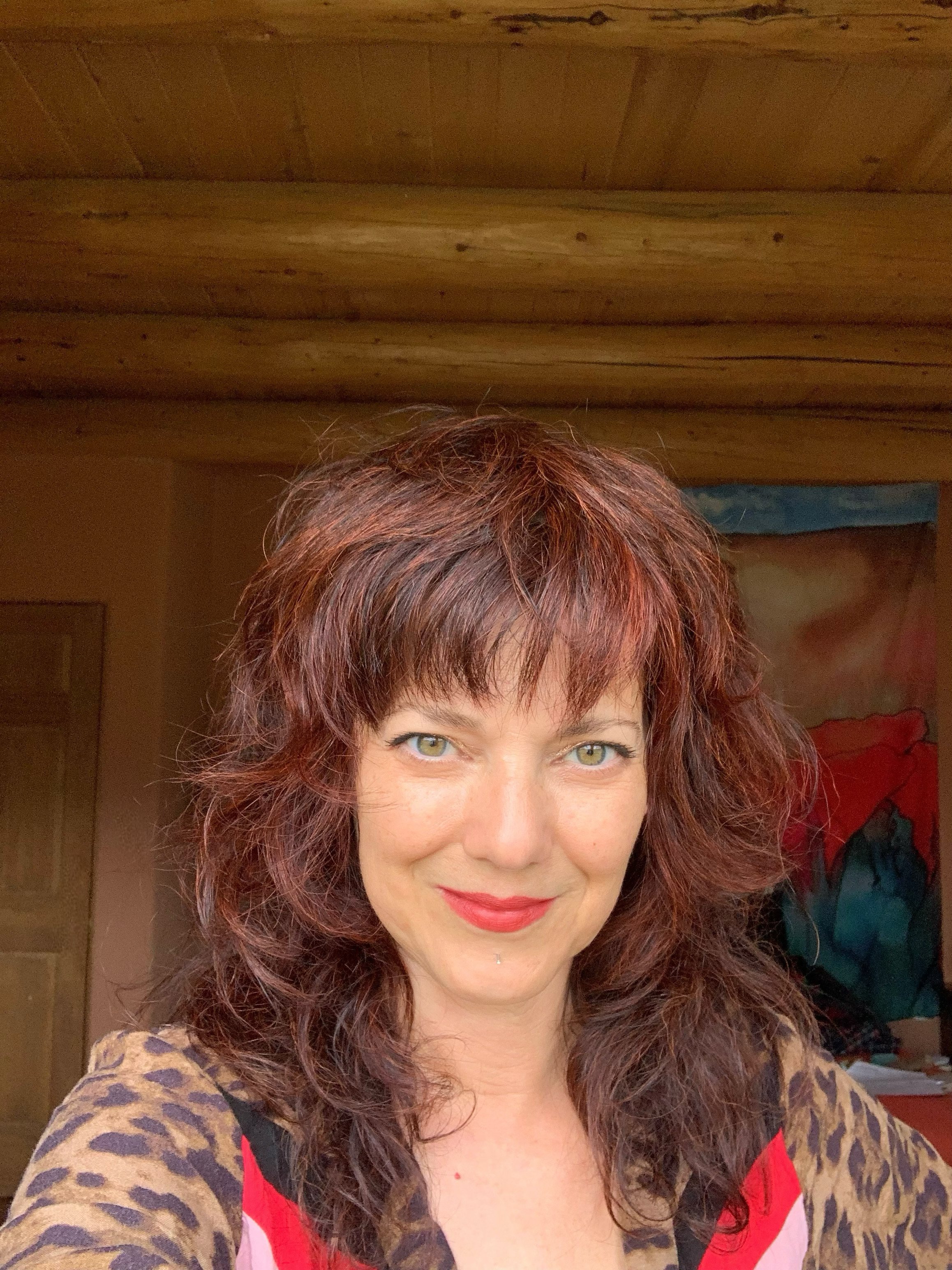
About Shankari
Shankari is a trauma-informed Somatic IFS Practitioner, Shamanic Parts Work™ Guide, and body-oriented coach. She helps spirit-rooted women meet protective patterns with compassion, reconnect with their inner healer, and create embodied change that holds in real life through Somatic IFS, Shamanic Parts Work™, and grounded spiritual practice.
New here? Start with 3 Free Audio Practices.